Warning Lights: What They Mean
Dashboard warning lights are essential alerts that help drivers stay informed about their vehicle's status. Each light has a specific purpose, whether it's signaling a system is active or warning of a potential issue. Understanding these indicators can help you address problems early and keep your car running smoothly.
These warning indicators are important for every driver, even though some may seem relevant only in certain situations. Knowing what each light means ensures you can respond appropriately, increasing safety for yourself and others on the road.
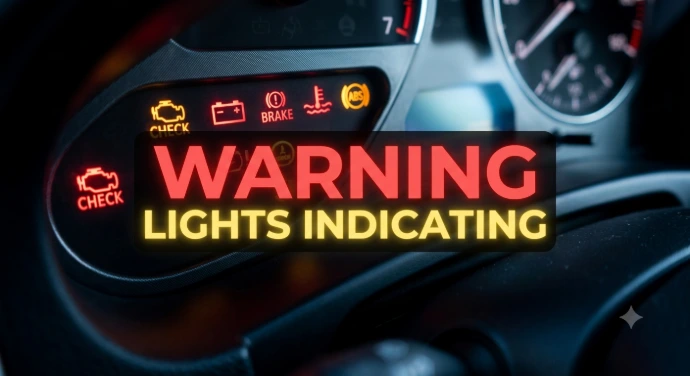
Common Warning Light Symbols
System Activation Lights
Modern vehicles use a range of dashboard lights to notify you when systems like ABS, airbags, or traction control are engaged. Familiarizing yourself with these symbols can help you understand your car's current operating status.
Always pay attention to your dashboard – if a warning light appears, check your manual or consult a professional to determine the next steps.
- Check Engine Light (CEL): This light indicates a problem with the engine or its emissions system. It can range from minor issues to serious problems.
- Battery Light: This light warns you of a problem with your vehicle’s charging system, typically related to the battery or alternator.
- Oil Pressure Light: This light indicates low oil pressure, which could be due to low oil levels or a problem with the oil pump.
- Brake System Warning Light: This light can indicate low brake fluid, problems with the brake system, or that the parking brake is engaged.
- ABS (Anti-lock Braking System) Light: If this light is on, it indicates a problem with the ABS system, which can affect your vehicle’s ability to stop safely.
- Tire Pressure Monitoring System (TPMS) Light: This light indicates that one or more tires have low pressure, which can affect your vehicle’s handling and fuel efficiency.
- Airbag Warning Light: If this light is on, it suggests a problem with the vehicle’s airbag system, which may not deploy in the event of a collision.
- Coolant Temperature Warning Light: This light indicates that the engine is running too hot, which can lead to engine damage if not addressed.
- Transmission Temperature Light: If your vehicle is equipped with a transmission temperature warning, it will alert you to overheating transmission fluid.
- Power Steering Warning Light: This light indicates a problem with the power steering system, which can make steering more difficult.
- ESP (Electronic Stability Program) or ESC (Electronic Stability Control) Light: This light indicates a problem with the vehicle’s stability control system, which helps maintain control in slippery conditions.
- Fuel Warning Light: This light lets you know that your fuel level is low and you should refuel soon.
- Glow Plug Light (Diesel Engines): This light is specific to diesel engines and indicates when the glow plugs are in operation during cold starts.
- Cruise Control Light: This light indicates that the cruise control system is engaged and active.
- Seat Belt Warning Light: This light reminds you to fasten your seat belt for safety.
- Lane Departure Warning Light: This light is part of the lane departure warning system, alerting you when your vehicle drifts out of its lane without signaling.
- Adaptive Headlight System Warning Light: This light indicates an issue with the adaptive headlight system that adjusts the direction of the headlights based on steering input.
Please note that the symbols and their meanings can vary between car manufacturers and models. It’s essential to consult your vehicle’s owner’s manual to understand the specific warning lights for your car and how to respond when they illuminate. Ignoring warning lights can lead to further damage or pose safety risks. If a warning light comes on, it’s generally a good practice to have your vehicle inspected by a qualified mechanic.
Stay Alert, Stay Safe
Don't Ignore the Signals
Warning lights are designed with your safety in mind. Ignoring them could lead to bigger issues or compromise your vehicle’s performance. Address alerts promptly to ensure reliable and secure driving.
Schedule a diagnostic check today to keep your car in top condition.
